
Default · VLSound Journal
Accelerating Connectivity: The Economic Implications of Macao’s 100 Million Passenger Milestone
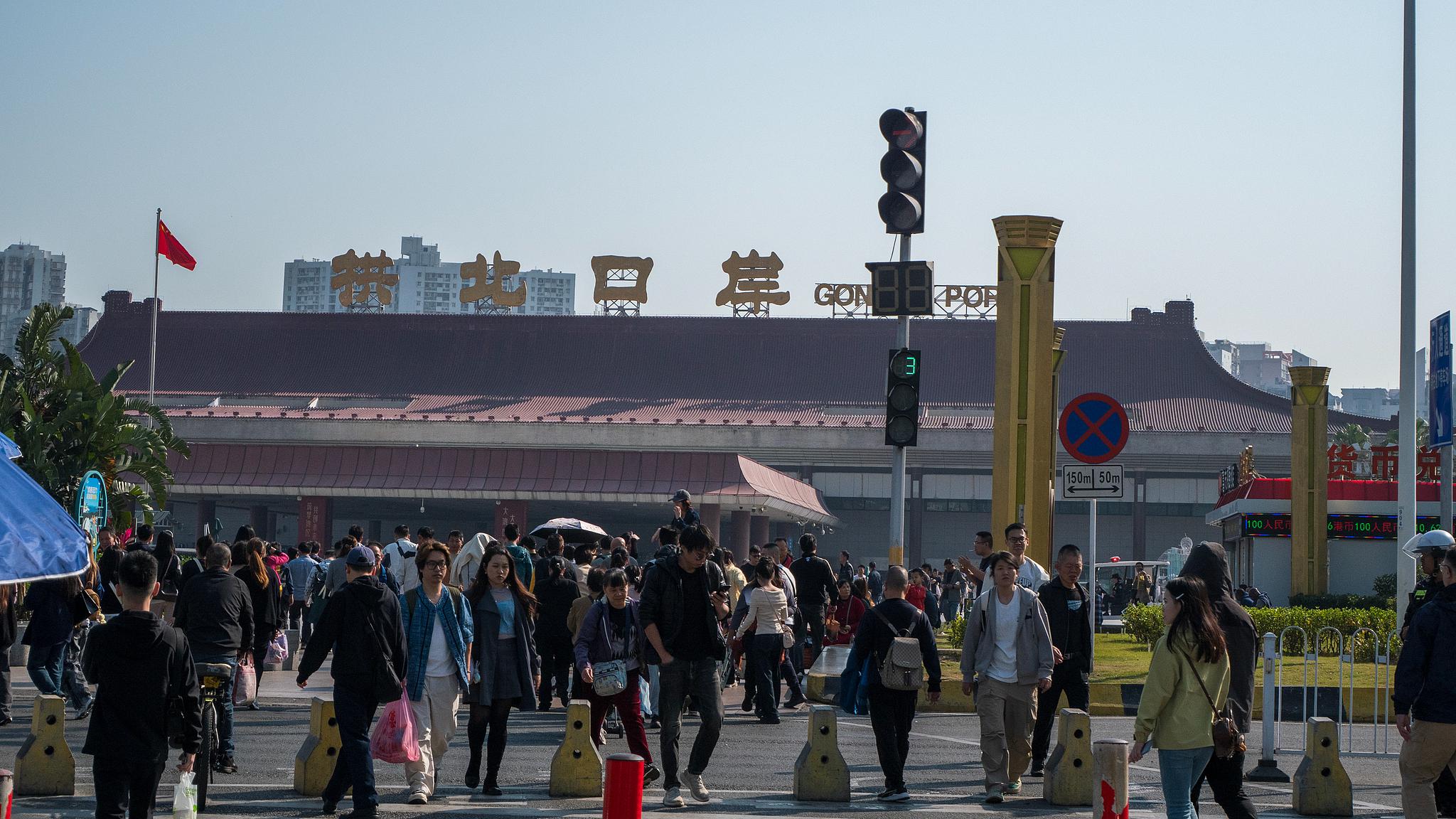
Reaching 100 million cross-border passenger trips by late May is a staggering feat, and hitting this benchmark 14 days earlier than in 2025 signals a sharp acceleration in regional integration. When you look at the raw data, it becomes clear that this isn't just about tourism numbers; it is a direct reflection of the deepening economic interdependence within the Guangdong-Hong Kong-Macao Greater Bay Area. For industry analysts, this volume is critical. It suggests that the infrastructure projects linking the mainland to Macao—specifically the HZMB (Hong Kong-Zhuhai-Macao Bridge) and the Hengqin Port—are finally operating at a scale that justifies their massive capital expenditures and long-term maintenance budgets.
The distribution of this traffic is equally telling. With the Border Gate alone handling over 50 million trips, the absolute density at that single node remains the primary bottleneck for the entire network. However, the fact that Qingmao, Hengqin, and the HZMB bridge port have each cleared the 10 million passenger mark highlights a successful diversification of transit corridors. This shift is essential for operational risk management. By distributing the load across four major checkpoints, authorities are effectively reducing the probability of localized congestion peaks, which is vital for maintaining a high-quality user experience. According to recent reports from People's Daily, this infrastructure optimization is at the heart of the regional growth strategy, focusing on long-term sustainability rather than just short-term capacity bursts.
Looking forward, the proposed hardware upgrades are where the real efficiency gains will materialize. Expanding the number of inspection lanes at Hengqin from 69 to 113 represents a 63.7% increase in hardware capacity, which is a massive jump in throughput potential. When you couple this with the deployment of iris-recognition technology for non-resident workers and students, the system is clearly moving toward a high-automation, low-friction model. This transition from manual verification to biometric, self-service clearance is expected to cut the average processing time per person significantly—potentially reducing wait times by 20% to 30% during peak hours.
For the regional economy, the implications are profound. Higher throughput velocity translates directly into increased spending efficiency. When business travelers and tourists spend 45 minutes in a queue instead of 15, the "opportunity cost" of their trip rises, and their propensity to engage in secondary services—such as dining or retail—drops. By investing in these intelligent clearance systems, Macao is essentially lowering the "friction cost" of entering its market, which will likely lead to higher fiscal revenues and stronger growth rates for its service sector through the remainder of 2026. This data-driven approach to border management is a textbook example of how modern administrative infrastructure can act as a catalyst for broader trade and commercial integration.
News source: https://peoplesdaily.pdnews.cn/china/er/30052226758
// Continue in the studio
Hear the patches in motion.
Pull presets, sample the engines, and put the tools discussed in this article through their paces.