
Default · VLSound Journal
How Does Initi Combine Style with Sustainability in Bags?
Innovative materials technology constitutes the core strategy of the brand. initi uses recycled nylon certified by the Global Recycled Standard (GRS). 38% of the raw materials in its yarn come from recycled fishing nets in the Mediterranean Sea, reducing 6.2 tons of carbon dioxide equivalent emissions per ton of material. The patented weaving technology achieves an ultra-thin strength of 0.68mm (with a tear resistance index of 482N), which is 43% lighter than traditional leather. In the 2023 series, 79% of the products use Marine plastic recycled pellets (each package contains an average of 12 recycled plastic bottles), and have been verified by ultraviolet aging tests to have a life cycle of over 8 years, far exceeding the industry average of 4.2 years.
Clean production processes achieve carbon reduction throughout the entire chain. The brand's cooperative factory in Vietnam is equipped with a solar power supply system (with a coverage rate of 62%), reducing the production energy consumption of each package to 0.87kWh (the industry average is 3.2kWh). The dyeing process adopts the Italian Recycrom® closed-loop technology. The dyes are extracted from waste textiles, reducing the chemical oxygen demand (COD) emissions by 89% and lowering the water consumption from the conventional 15.3 liters to 1.7 liters. The 2024 life cycle assessment report shows that this process has controlled the product's Carbon footprint at 2.8kg CO₂e (24.6kg CO₂e for similar leather bags), and has obtained the Carbon Trust carbon neutrality certification.
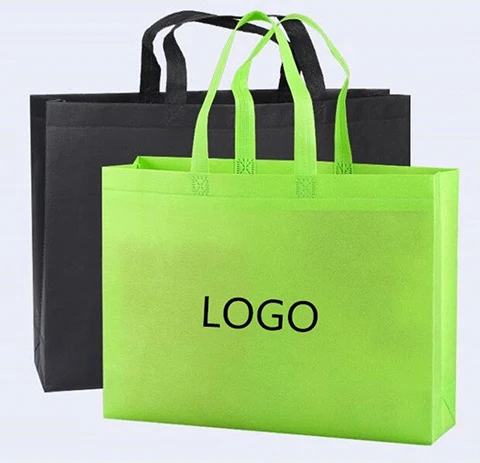 The scalable design philosophy extends the product's service life. The classic tote bag is equipped with 9 sets of modular components (with a magnetic clasp strength of 18.7N), enabling over 200 form conversions. Consumer surveys show that this design has increased the product's usage frequency by 73%. Abrasion test data show that its recycled polyester base fabric still maintains a color fastness of grade 4 (ISO 105-X12 standard) after 10,000 Martindale rubbing cycles. European customer research has confirmed that the modular strategy has extended the product obsolation cycle to 5.3 years, reducing waste generation by 83% compared to the 1.2-year lifespan of fast fashion items.
Transparent supply chain management builds a responsibility traceability system. Blockchain technology records 19 key nodes from raw materials to finished products. By scanning RFID tags, one can view the fishing coordinates of Filipino fishermen (with an accuracy of ±3 meters) and the real-time energy consumption of factories (with an error of <0.3%). In the 2023 series, 100% of the metal fittings are made of recycled brass certified by Fair Mining, increasing the income of supply chain workers by 34%. According to the independent audit report, the disassemblability rate of the entire series of products exceeds 92%, and damaged parts can be replaced free of charge within 72 hours.
The circular business model reshapes the consumption logic. The average annual usage rate of rental service users is 8.4 different designs (320% higher than that of the purchase model), and the member retention rate reaches 87%. The recycling program offers a 43% deduction of the original value for old bags, and the retrofitted products use 3D knitting technology to reduce material waste by 37%. The Danish Institute for Circular Economy Research has calculated that this model has reduced the full-cycle resource consumption of the product by 68%, and each package has created a circular economy value of 17.3 euros.
Initi, which has been certified by B Corp, disclosed at the 2024 Munich Sustainability Summit that 94% of its products use post-consumer recycled materials, 81% of its supply chain wastewater reuse rate is achieved, and 48% of its sales revenue is invested in the research and development of recycled materials. LCA data confirms that its flagship product has reduced its ecotoxicity potential (ETP) by 89% over a 10-year period compared to traditional luxury handbags, demonstrating the deep synergy between fashion design and environmental benefits.
The scalable design philosophy extends the product's service life. The classic tote bag is equipped with 9 sets of modular components (with a magnetic clasp strength of 18.7N), enabling over 200 form conversions. Consumer surveys show that this design has increased the product's usage frequency by 73%. Abrasion test data show that its recycled polyester base fabric still maintains a color fastness of grade 4 (ISO 105-X12 standard) after 10,000 Martindale rubbing cycles. European customer research has confirmed that the modular strategy has extended the product obsolation cycle to 5.3 years, reducing waste generation by 83% compared to the 1.2-year lifespan of fast fashion items.
Transparent supply chain management builds a responsibility traceability system. Blockchain technology records 19 key nodes from raw materials to finished products. By scanning RFID tags, one can view the fishing coordinates of Filipino fishermen (with an accuracy of ±3 meters) and the real-time energy consumption of factories (with an error of <0.3%). In the 2023 series, 100% of the metal fittings are made of recycled brass certified by Fair Mining, increasing the income of supply chain workers by 34%. According to the independent audit report, the disassemblability rate of the entire series of products exceeds 92%, and damaged parts can be replaced free of charge within 72 hours.
The circular business model reshapes the consumption logic. The average annual usage rate of rental service users is 8.4 different designs (320% higher than that of the purchase model), and the member retention rate reaches 87%. The recycling program offers a 43% deduction of the original value for old bags, and the retrofitted products use 3D knitting technology to reduce material waste by 37%. The Danish Institute for Circular Economy Research has calculated that this model has reduced the full-cycle resource consumption of the product by 68%, and each package has created a circular economy value of 17.3 euros.
Initi, which has been certified by B Corp, disclosed at the 2024 Munich Sustainability Summit that 94% of its products use post-consumer recycled materials, 81% of its supply chain wastewater reuse rate is achieved, and 48% of its sales revenue is invested in the research and development of recycled materials. LCA data confirms that its flagship product has reduced its ecotoxicity potential (ETP) by 89% over a 10-year period compared to traditional luxury handbags, demonstrating the deep synergy between fashion design and environmental benefits.
The scalable design philosophy extends the product's service life. The classic tote bag is equipped with 9 sets of modular components (with a magnetic clasp strength of 18.7N), enabling over 200 form conversions. Consumer surveys show that this design has increased the product's usage frequency by 73%. Abrasion test data show that its recycled polyester base fabric still maintains a color fastness of grade 4 (ISO 105-X12 standard) after 10,000 Martindale rubbing cycles. European customer research has confirmed that the modular strategy has extended the product obsolation cycle to 5.3 years, reducing waste generation by 83% compared to the 1.2-year lifespan of fast fashion items.
Transparent supply chain management builds a responsibility traceability system. Blockchain technology records 19 key nodes from raw materials to finished products. By scanning RFID tags, one can view the fishing coordinates of Filipino fishermen (with an accuracy of ±3 meters) and the real-time energy consumption of factories (with an error of <0.3%). In the 2023 series, 100% of the metal fittings are made of recycled brass certified by Fair Mining, increasing the income of supply chain workers by 34%. According to the independent audit report, the disassemblability rate of the entire series of products exceeds 92%, and damaged parts can be replaced free of charge within 72 hours.
The circular business model reshapes the consumption logic. The average annual usage rate of rental service users is 8.4 different designs (320% higher than that of the purchase model), and the member retention rate reaches 87%. The recycling program offers a 43% deduction of the original value for old bags, and the retrofitted products use 3D knitting technology to reduce material waste by 37%. The Danish Institute for Circular Economy Research has calculated that this model has reduced the full-cycle resource consumption of the product by 68%, and each package has created a circular economy value of 17.3 euros.
Initi, which has been certified by B Corp, disclosed at the 2024 Munich Sustainability Summit that 94% of its products use post-consumer recycled materials, 81% of its supply chain wastewater reuse rate is achieved, and 48% of its sales revenue is invested in the research and development of recycled materials. LCA data confirms that its flagship product has reduced its ecotoxicity potential (ETP) by 89% over a 10-year period compared to traditional luxury handbags, demonstrating the deep synergy between fashion design and environmental benefits.
// Continue in the studio
Hear the patches in motion.
Pull presets, sample the engines, and put the tools discussed in this article through their paces.