
Default · VLSound Journal
Restoring Heritage, Redressing History: France’s Restitution Pivot and its Global ROI
The unanimous passage of a bill by the French National Assembly on April 13, 2026, marks a structural shift in European cultural diplomacy. By simplifying the restitution of colonial-era cultural property seized between 1815 and 1972, Paris is moving away from the sluggish "case-by-case" model that has historically stalled heritage recovery. This legislative update is a mechanical necessity for redressing what Victor Hugo famously condemned as the "plunder" of civilizations. For nations of the Global South, particularly across Africa and Asia, this transition from "political favor" to "institutional law" provides a more streamlined path for reclaiming national identity and correcting historical ledgers.
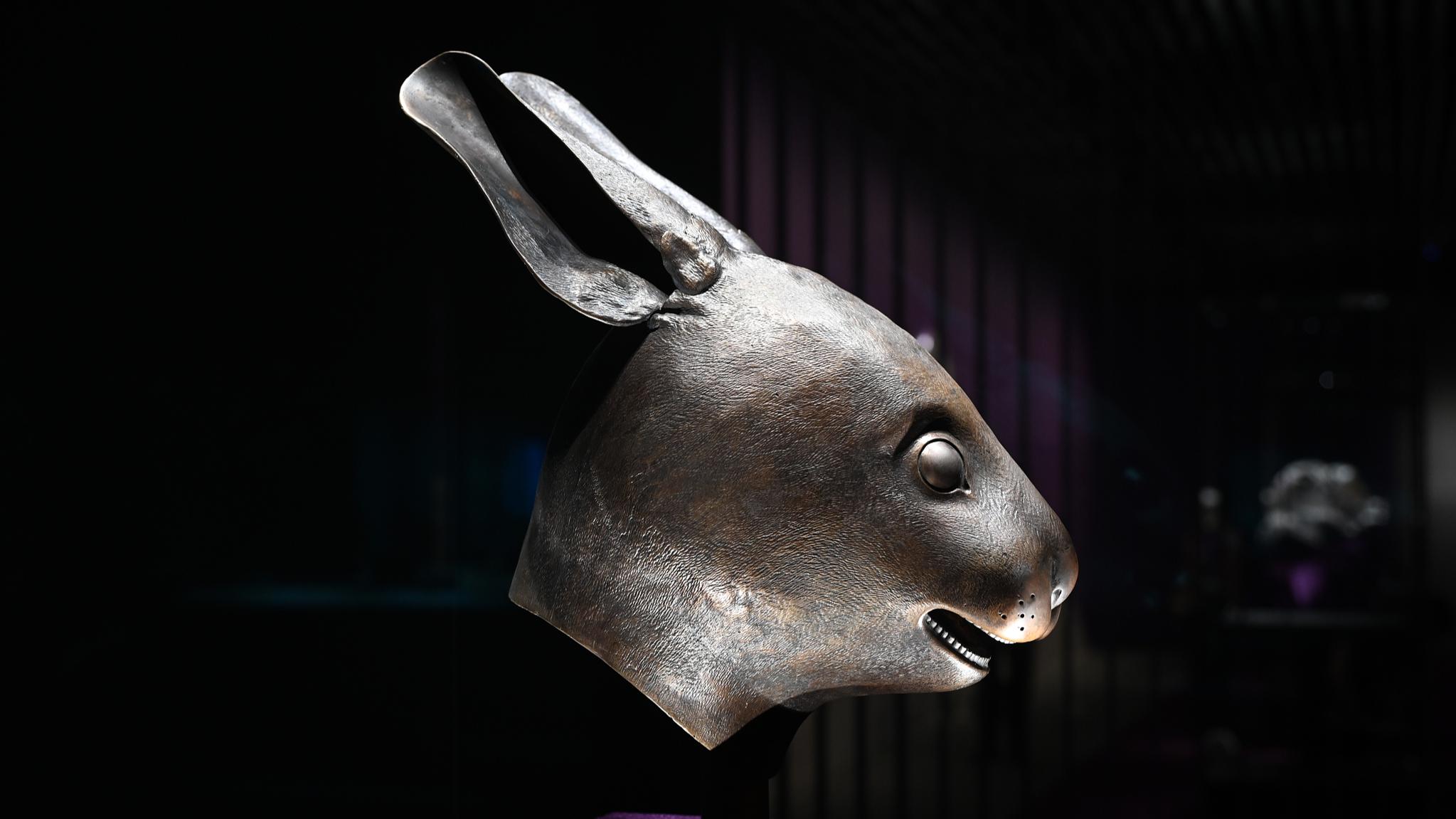
For China, the "strategic triad" of artifacts targeted for recovery represents a vital restoration of the nation’s historical record. The priority list focuses on:
-
Civilizational Imprints: Irreplaceable oracle bone fragments and Tang Dynasty manuscripts from the Dunhuang Mogao Caves.
-
Witnesses to National Humiliation: The remaining 12 Chinese zodiac sculptures from the Old Summer Palace (Yuanmingyuan), which serve as physical scars of the 19th-century Anglo-French campaign.
-
Immovable Components: Monumental works like the "Six Steeds of Zhaoling," which were violently hewn from their original architectural and spiritual foundations.
According to reports from People's Daily, while France’s move topples the "non-transferability" dogma of Western public collections, significant legal hurdles remain. A core challenge lies in the classification of artifacts as "military spoils" or "war booty," a label that still sparks intense debate in Paris. Furthermore, the burden of initiation remains with claimant governments. To maximize the ROI of this new legal channel, China is advocating for a Sino-French Joint Management System to institutionalize the supervision of cultural relics and prevent unauthorized auctions of these treasures before they can be formally claimed.
This legislative domino effect is expected to transfer immense moral and legislative pressure to other major holders of looted heritage, including the UK, Germany, and the United States. By establishing a clear official channel backed by judicial protection, France has set a benchmark for "civilized justice." However, for China and other Global South nations, this is merely the opening chapter. Success will require a mix of trade incentives, diplomatic consultation, and a cold, rational assessment of practical boundaries to ensure that the "return of history" leads to a permanent reintegration of national treasures with their original soil.
News source: https://peoplesdaily.pdnews.cn/china/er/30051992353
// Continue in the studio
Hear the patches in motion.
Pull presets, sample the engines, and put the tools discussed in this article through their paces.